Token burners
As cheap tokens end, the question for every agent is what its cost actually divides into.
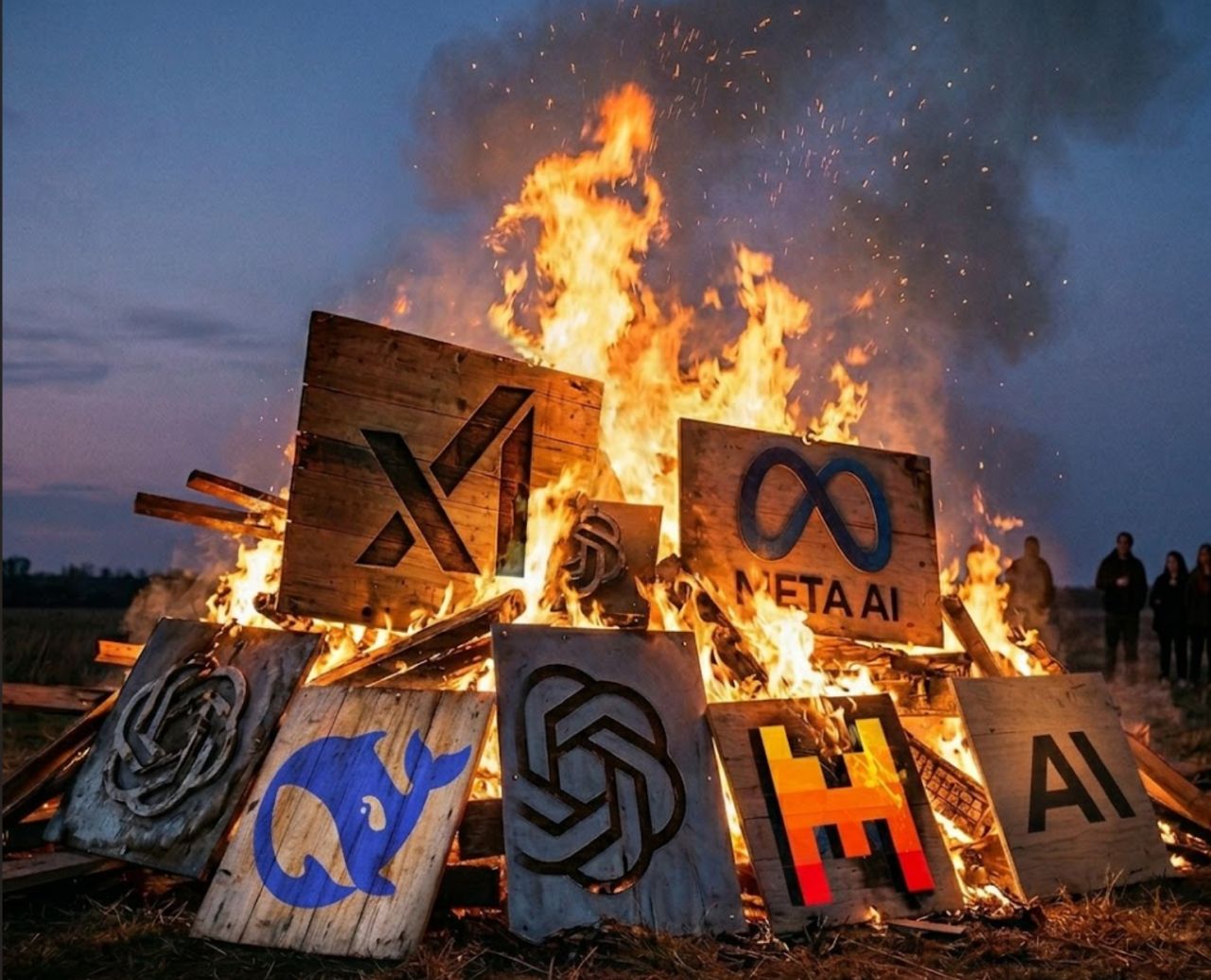
We were discussing an agent workflow last week, then L.D. Salmanson used the phrase "token burner", I've not been able to unhear it since, and have spent all weekend processing it.
For about a year we've all been running agents in a world where tokens were cheap, heavily subsidized, we were actively encouraging the wild experimentation that leads best to the adoption of new tools. Tokenmaxxing was a real tactic many had adopted (I was never 100% convinced on that one).
That era is slowly coming to an end. Copilot went usage-based last week, the frontier labs intro deals are expiring, and the new tooling/harnesses will cheerfully spin up hundreds of subagents in a single run. The meter just came on.
A token burner isn't just an expensive agent. It's one whose cost isn't attached to anything you can point at and call value. If you can't measure the outcome how do you know it's worth investing in. Some of our priciest agents are the opposite, a big migration that clears months of work over a weekend is worth every token it eats. The trouble will likely be the ones quietly spending all day and producing something nobody really needed.
The question I'm starting to ask is not "can we spend less on an agent", it's traditional ROI questions. For each agent that matters, what's the actual denominator? Tokens per resolved entities, per merged pull request, per hour of someone's time we actually gave back. If you can't name the thing the cost divides into, that's the smoke, and as they say where there is smoke...
I don't have a neat dashboard for any of this yet, so I'm half thinking out loud. But if you've run agents through these cheap years without watching the meter, it's worth picking the few that matter and asking the question. What does the cost actually divide into? The ones with an answer are earning their keep. The rest are likely just burning tokens.
First posted on LinkedIn.